Siding
Siding replacement and repair in Seattle
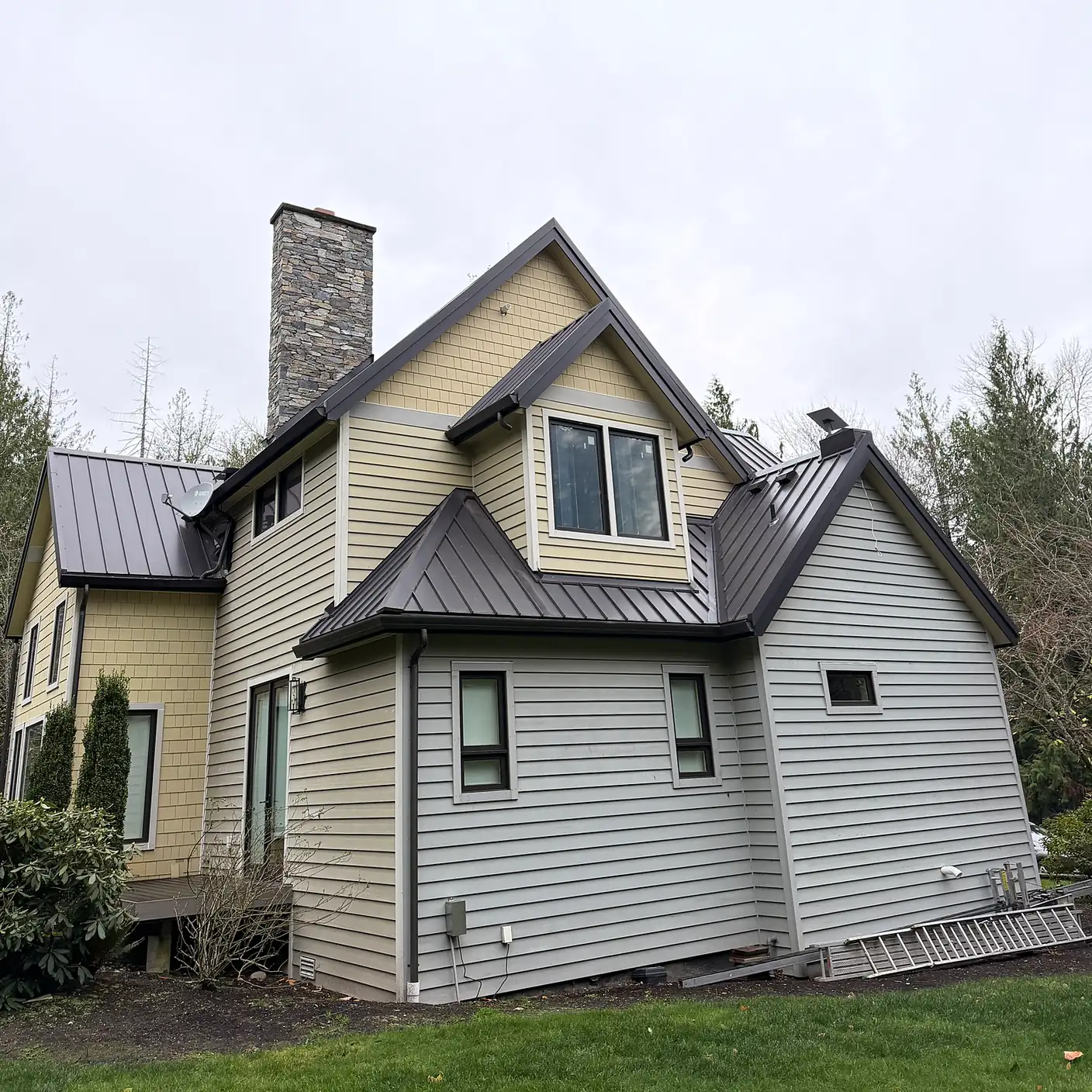
Siding is most of what we do, about three jobs in four, in Seattle and up to 50 miles around: new siding, repairs and new construction, in fiber cement, cedar, engineered wood or vinyl, with the wrap, flashing and trim behind it done right.
-
A typical job
1 to 3 weeks
Of work on site for most houses, once the material is in.
-
How long it lasts
20 to 50+ years
By the material: each one below says.
-
Our warranty
[YEARS]
On the work, with the maker’s warranty on the material on top.
-
Your quote
Written, after a visit
The material, what comes off, what goes on, and the price.
Siding projects
Two siding jobs, start to finish
Open a job to see its photos in order.
-
Siding
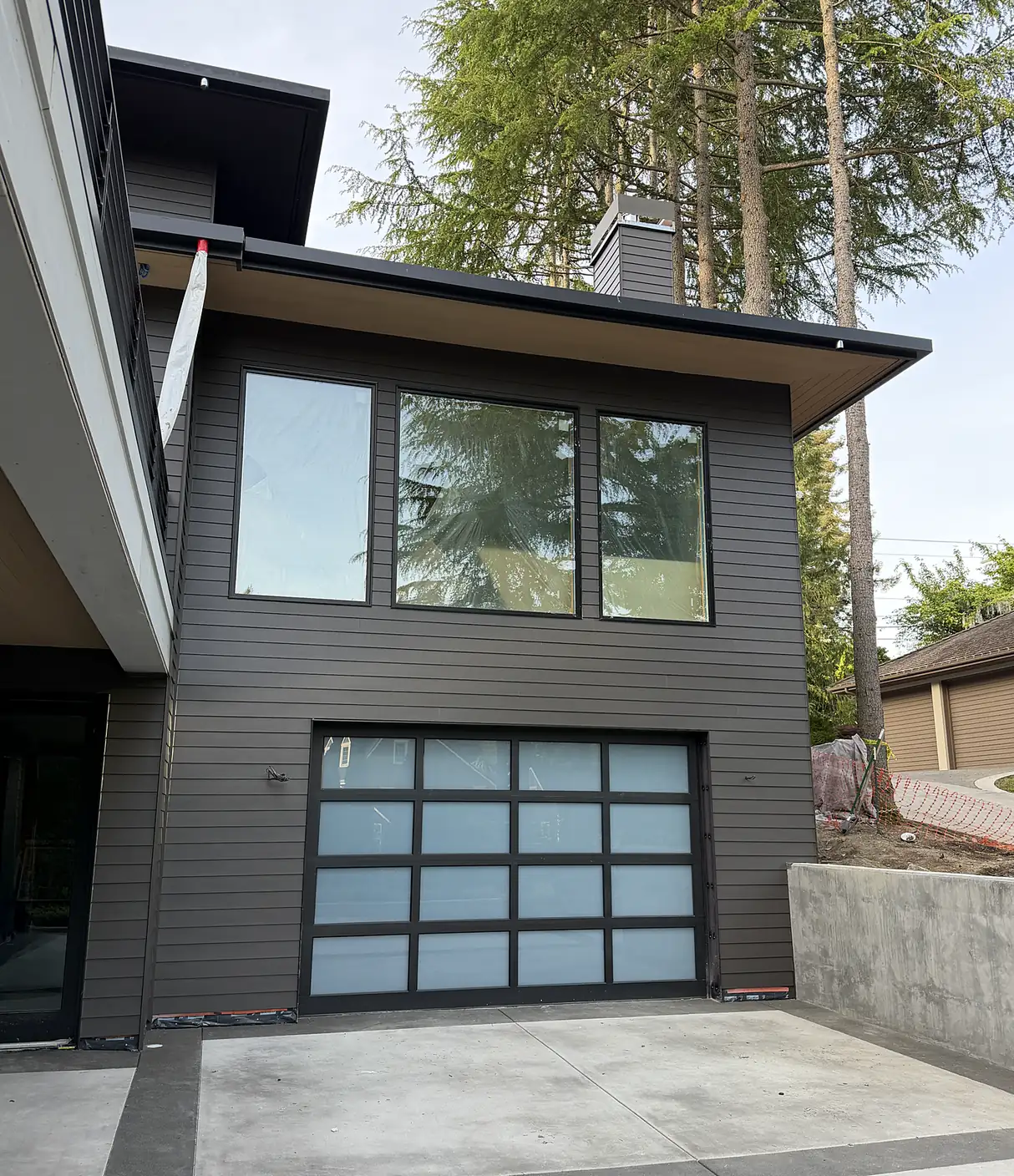
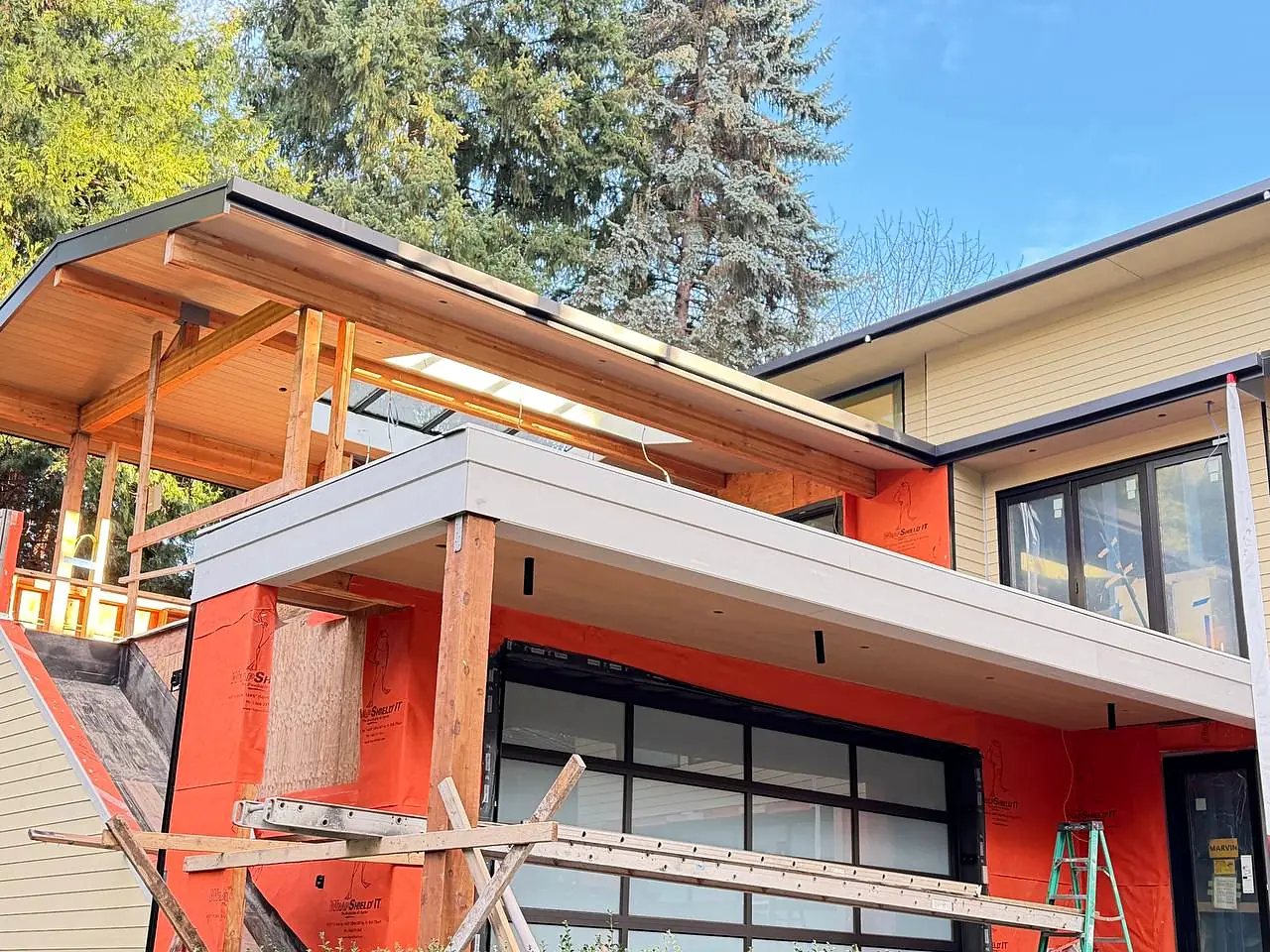
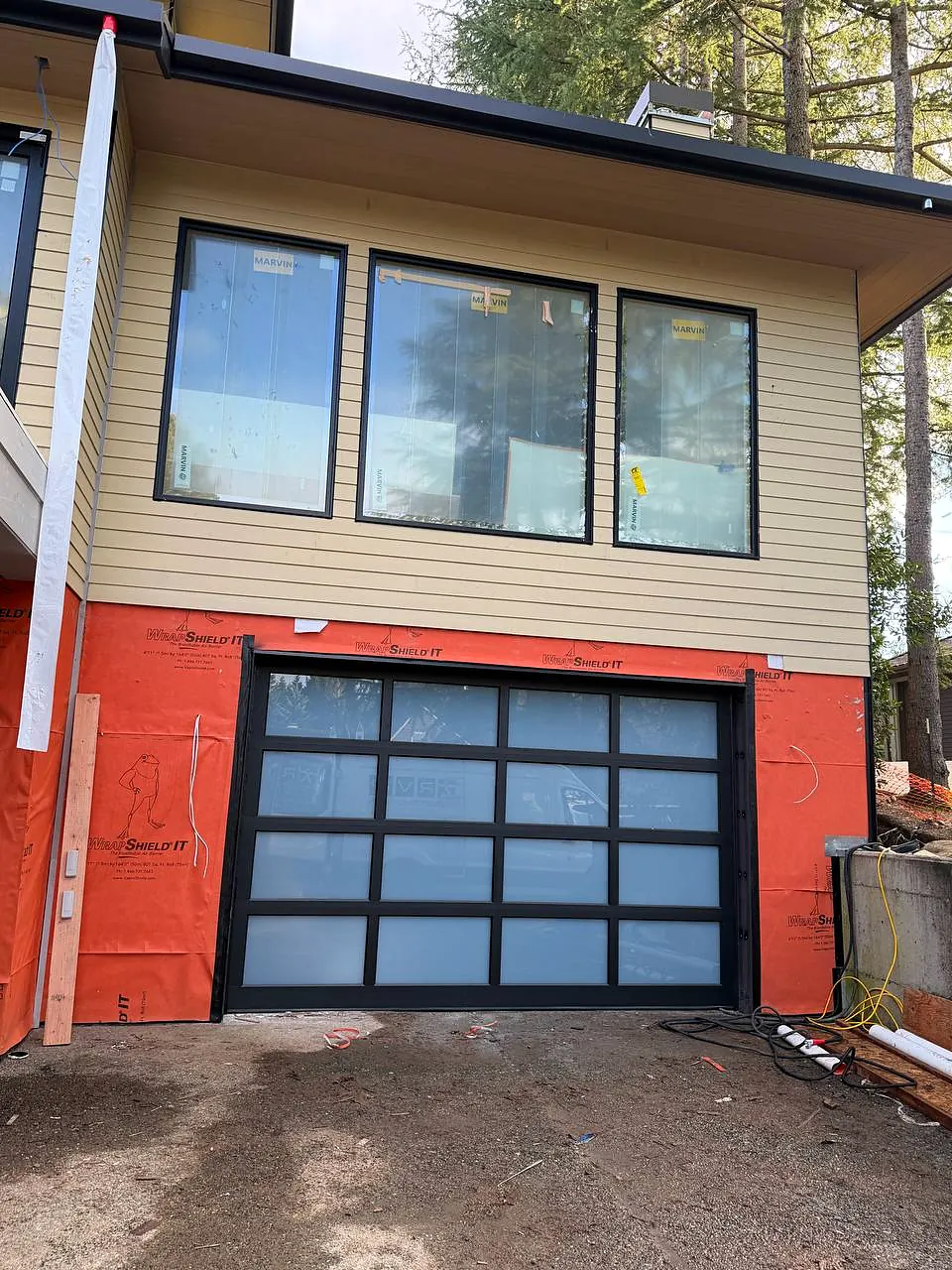
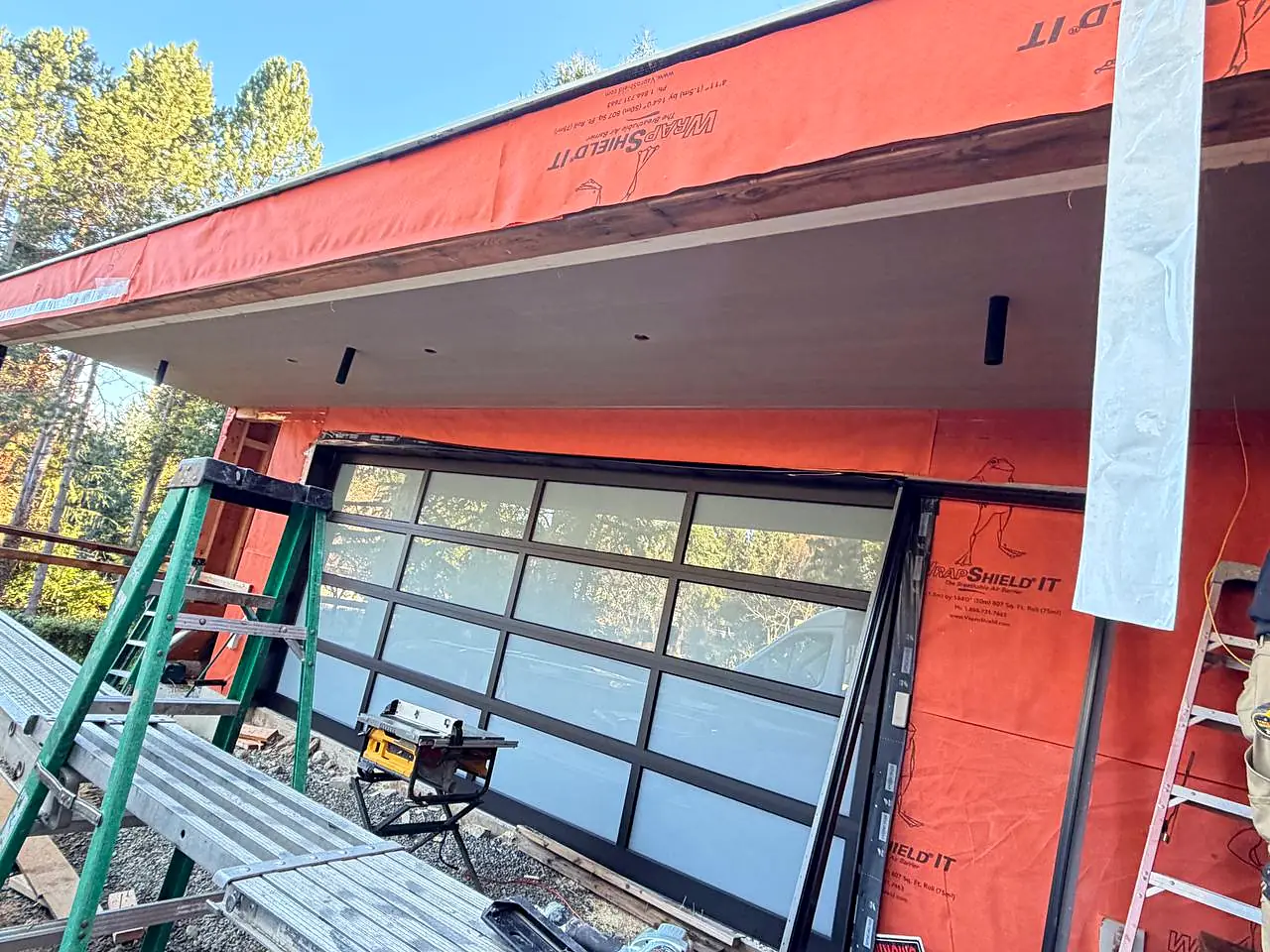
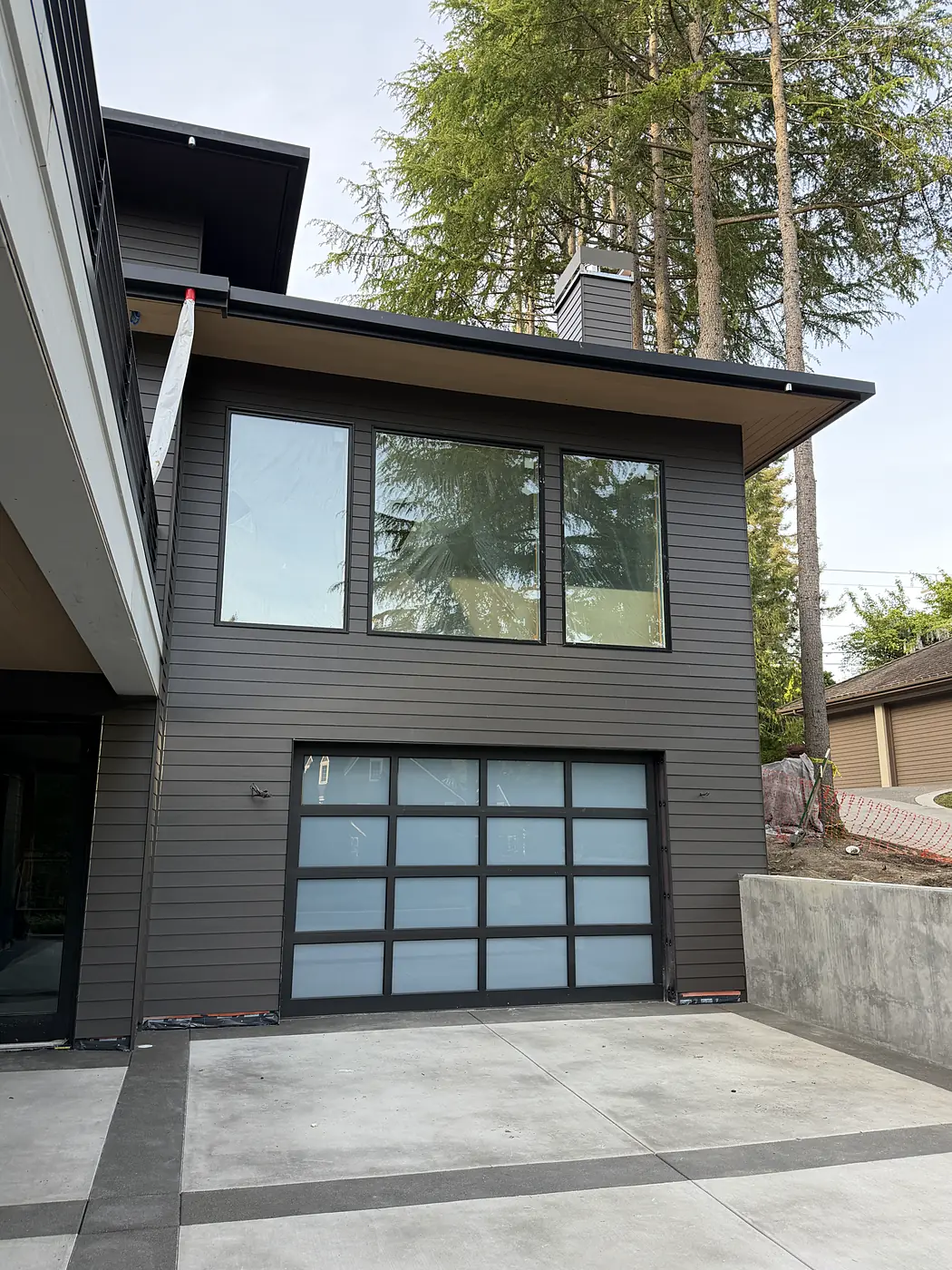
A garage re-sided in charcoal lap
The wall wrapped, the soffit and trim on, then charcoal lap siding with black trim all round.
5 photos
-
Siding
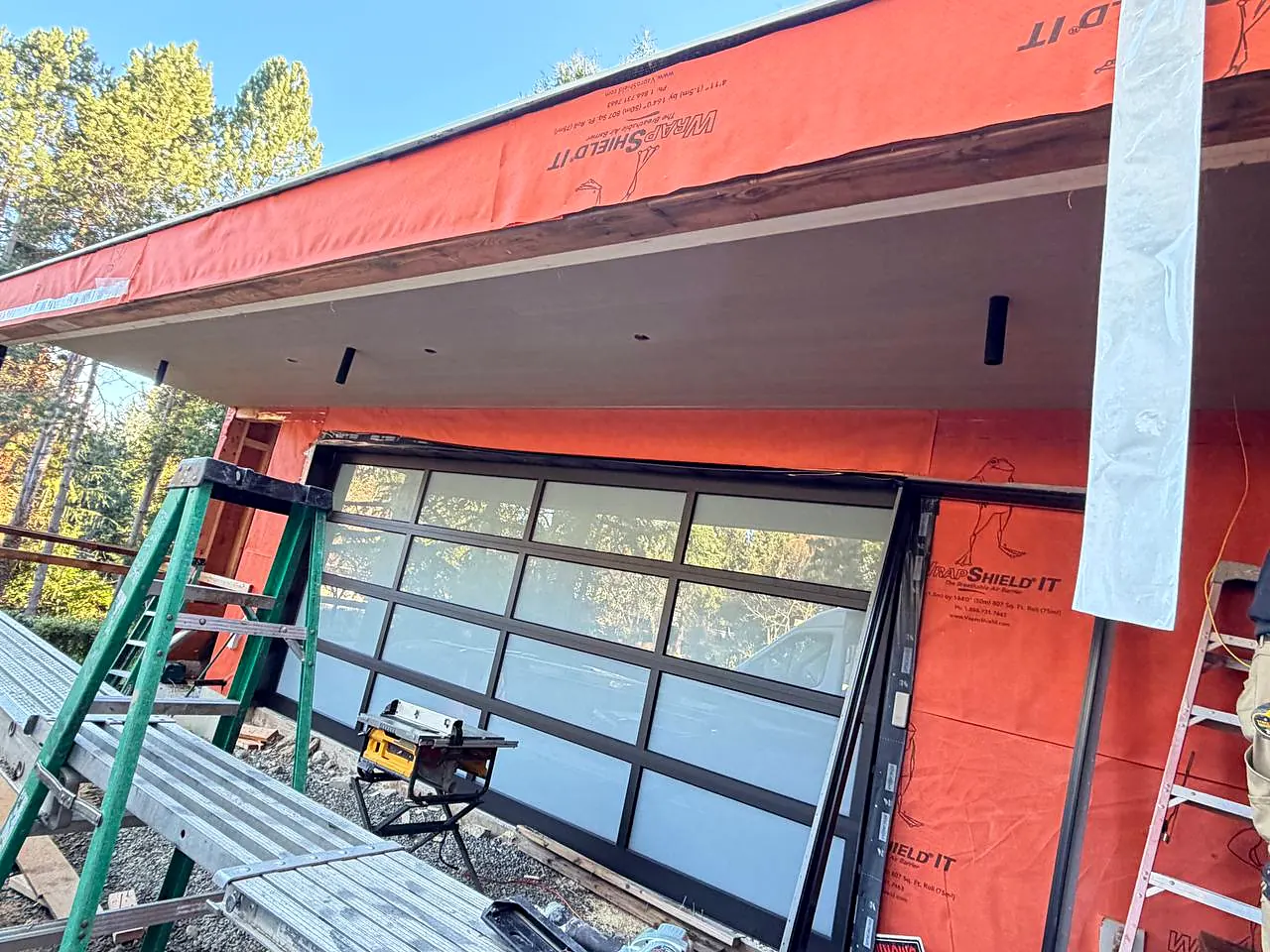
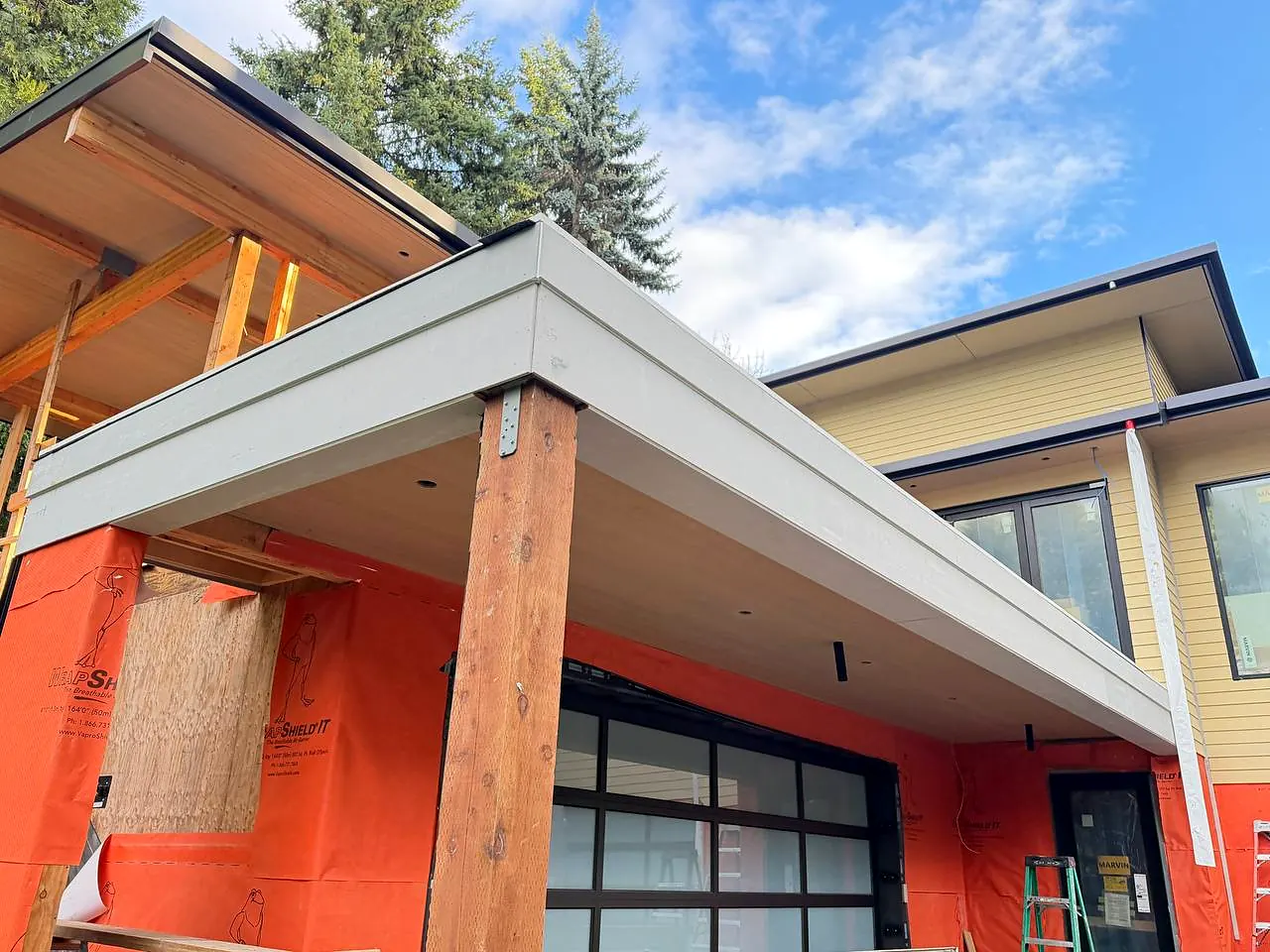
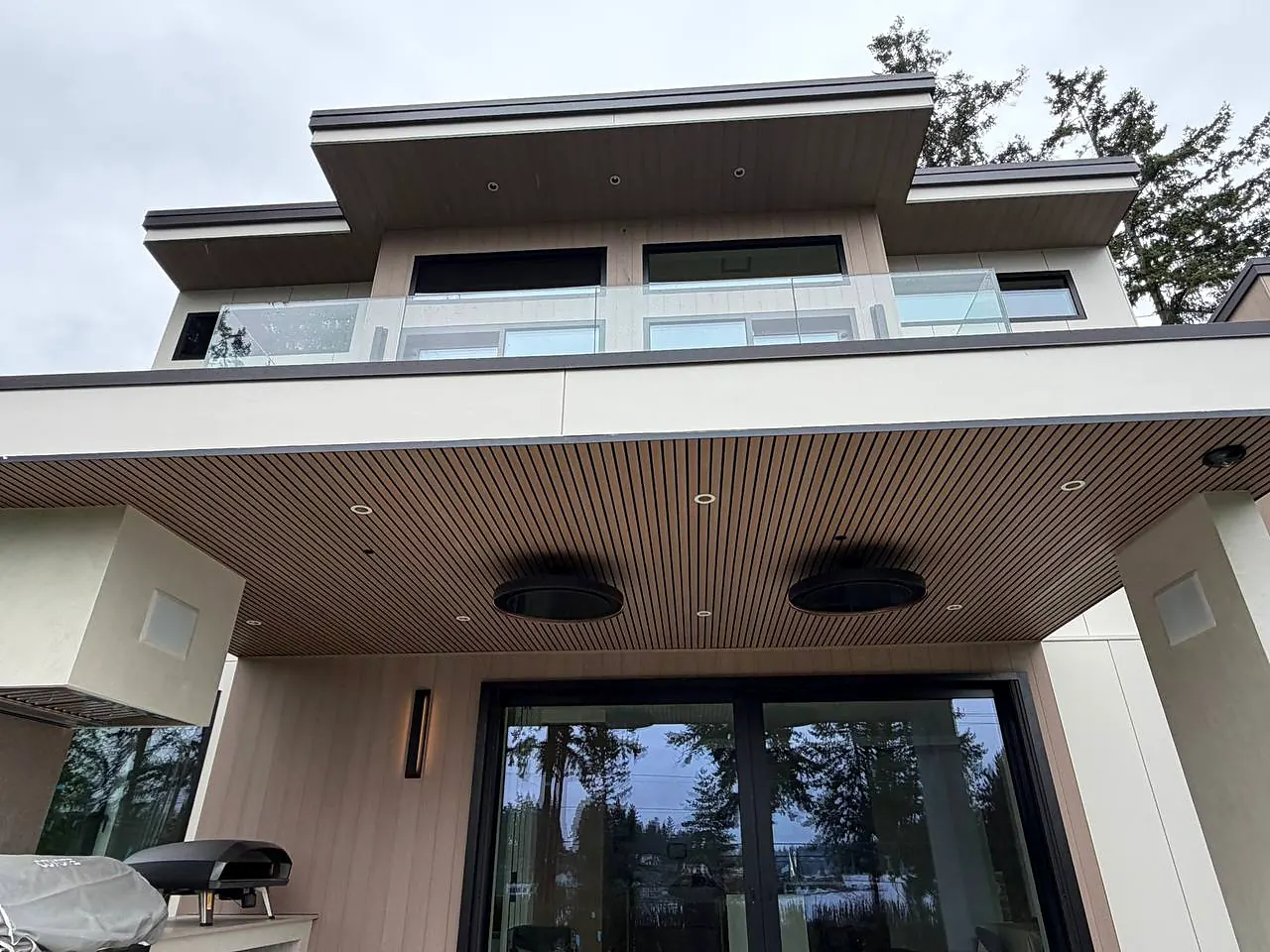
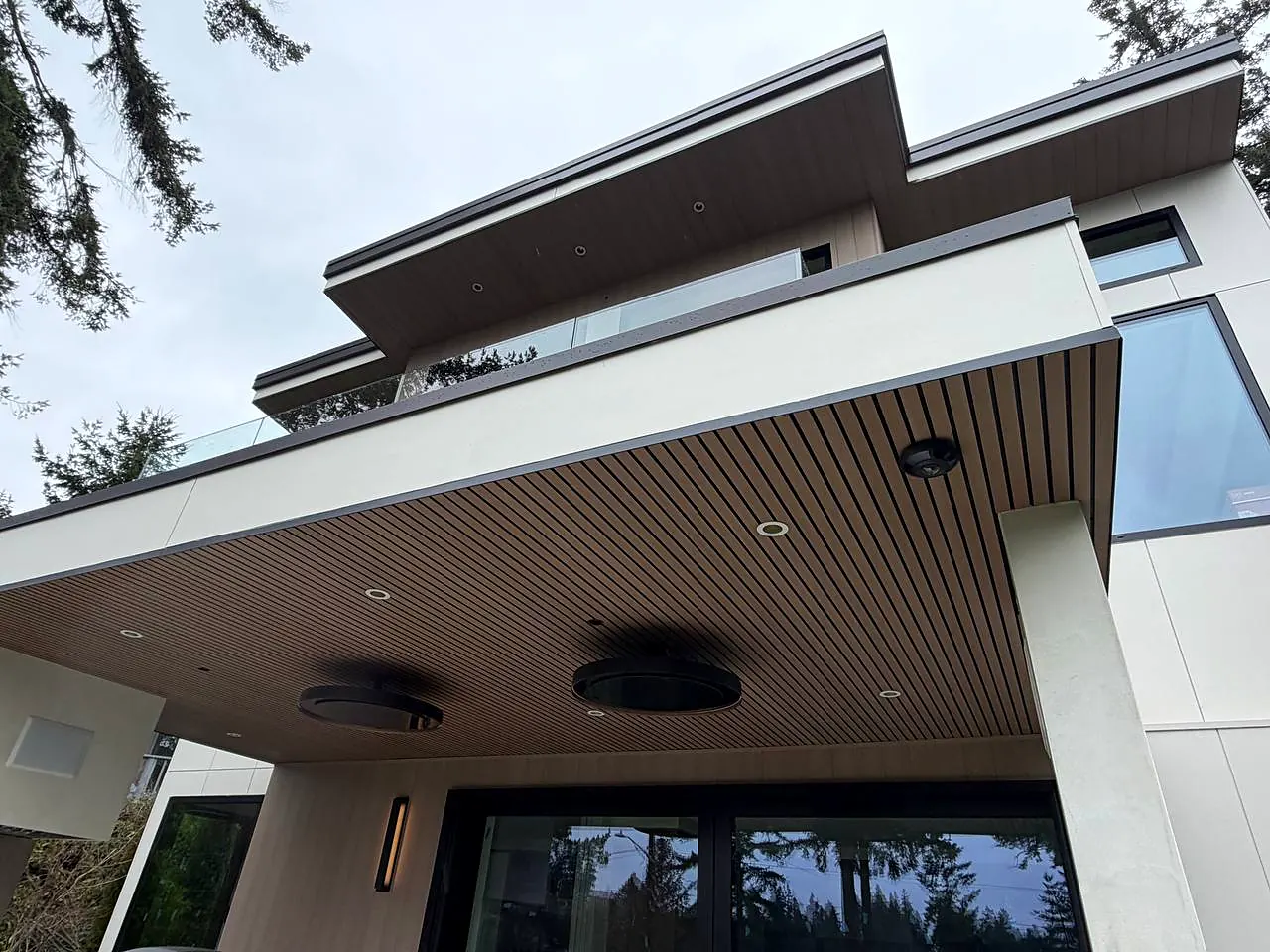
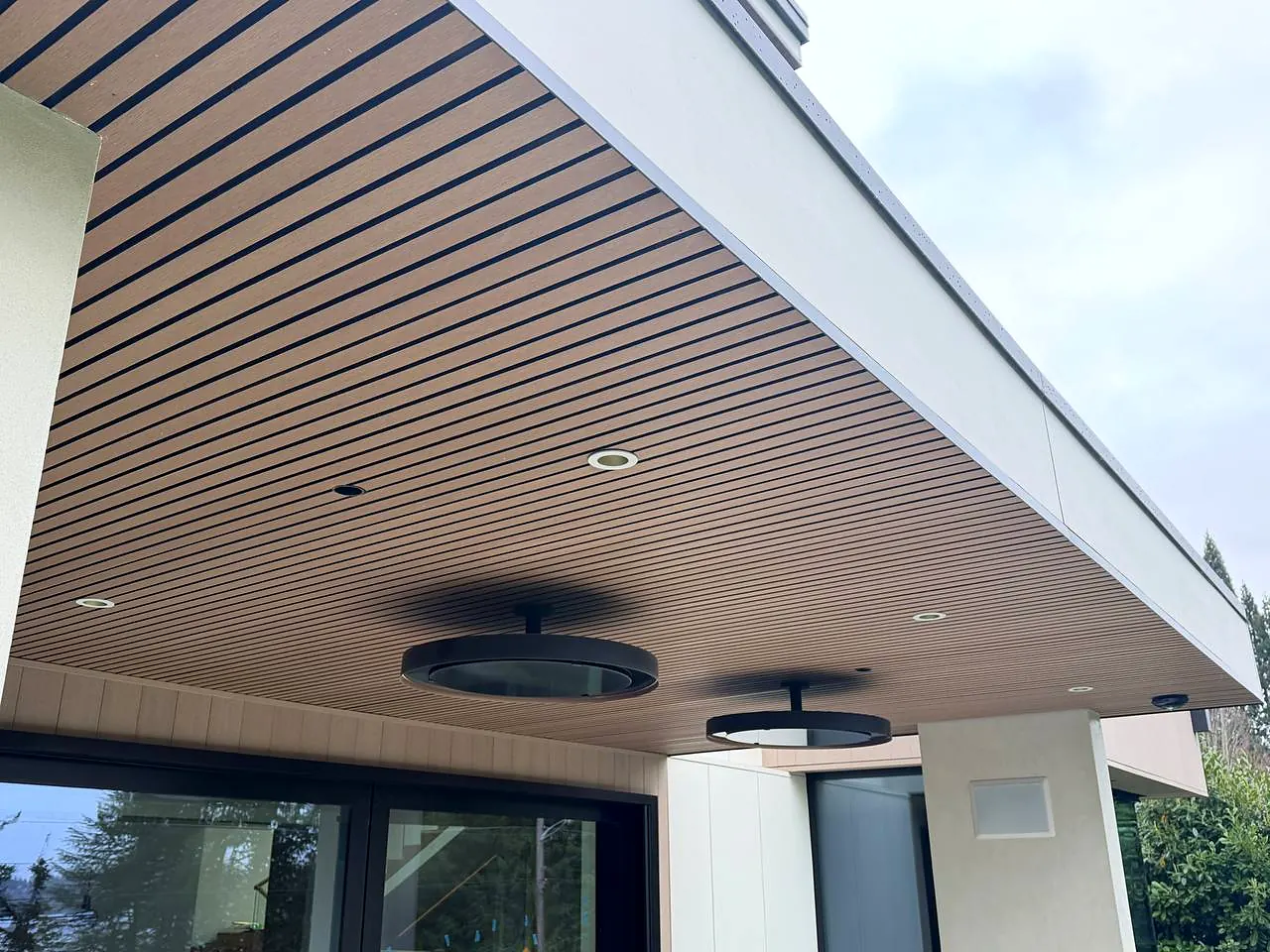
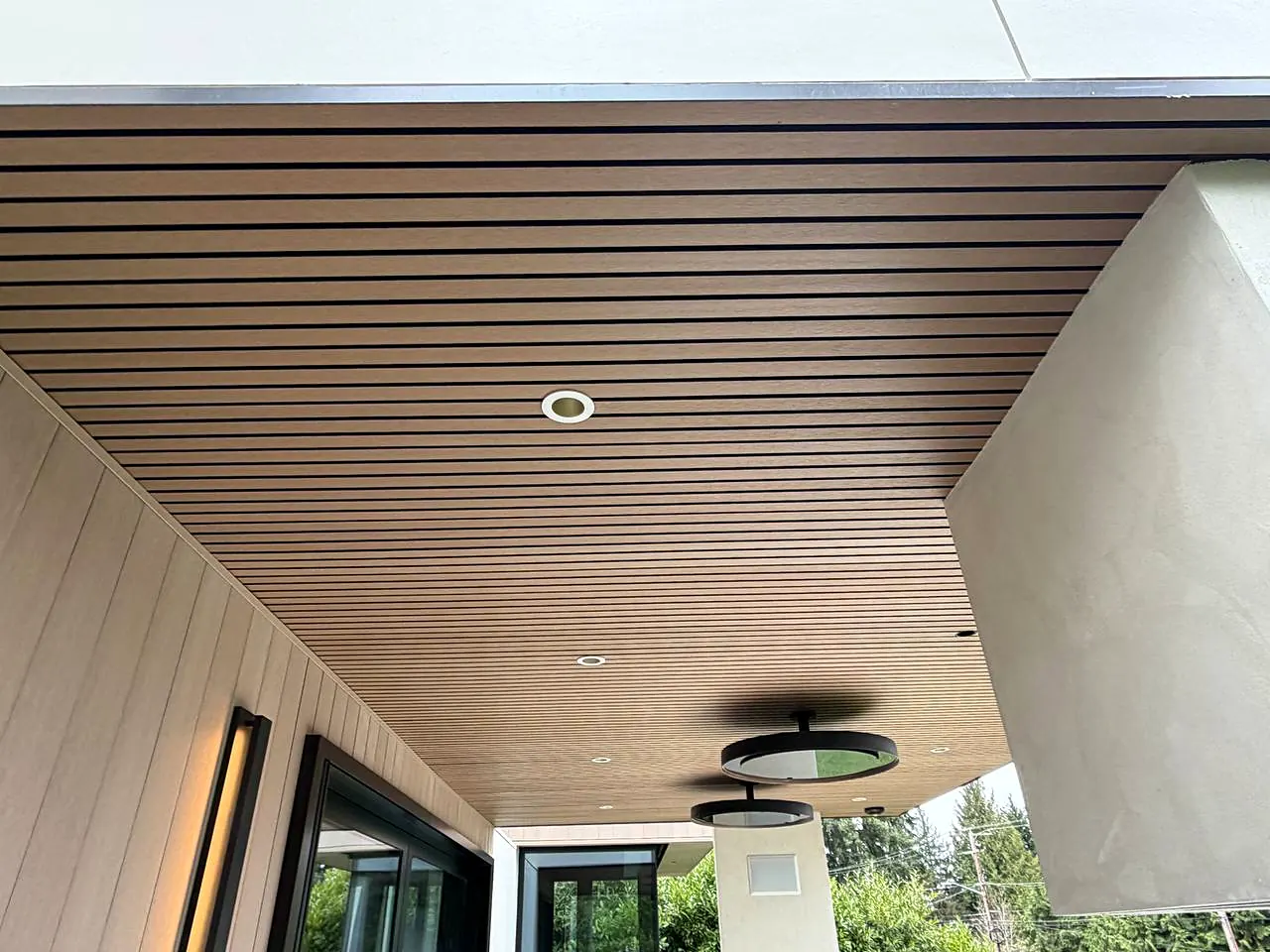
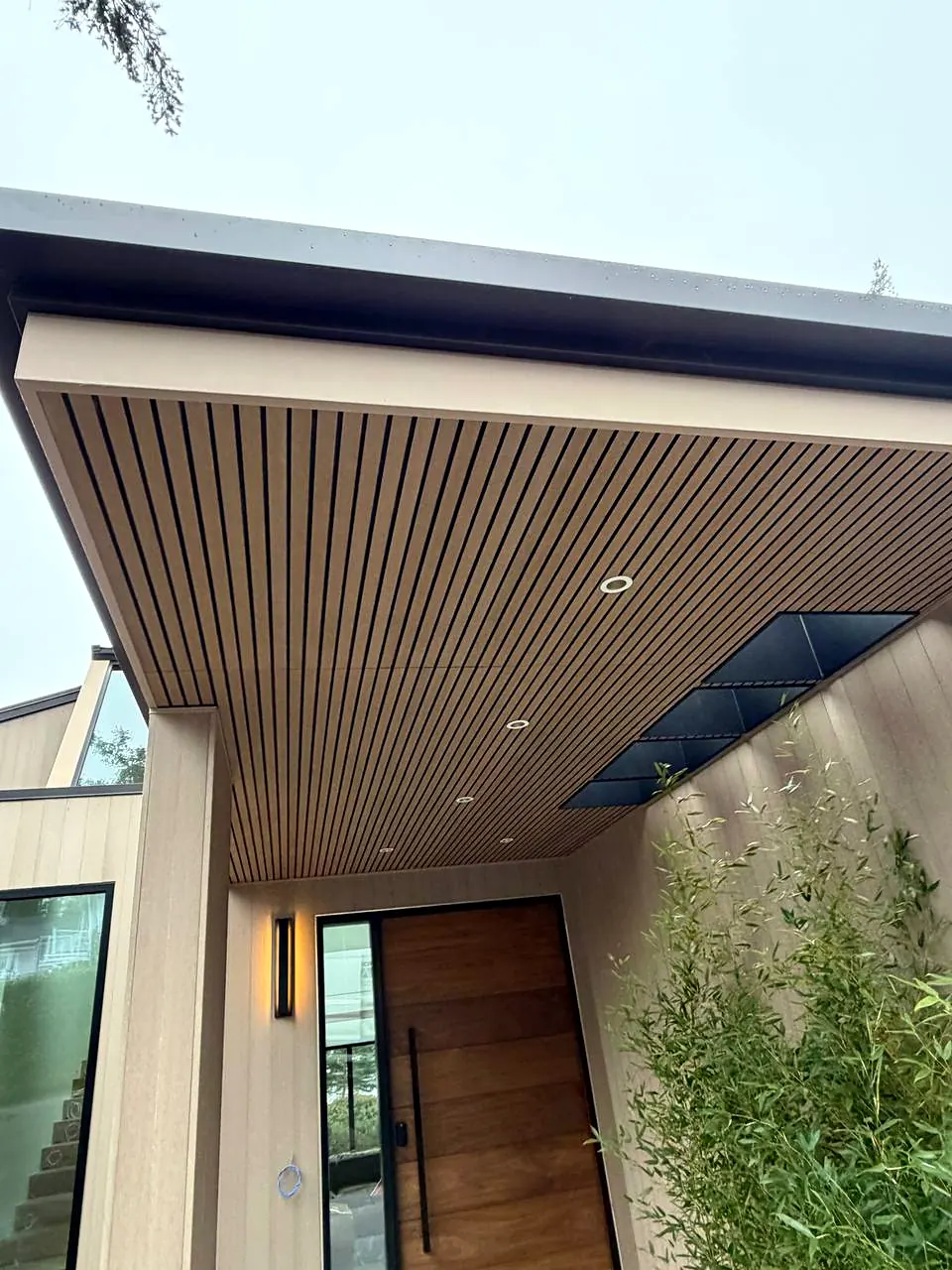
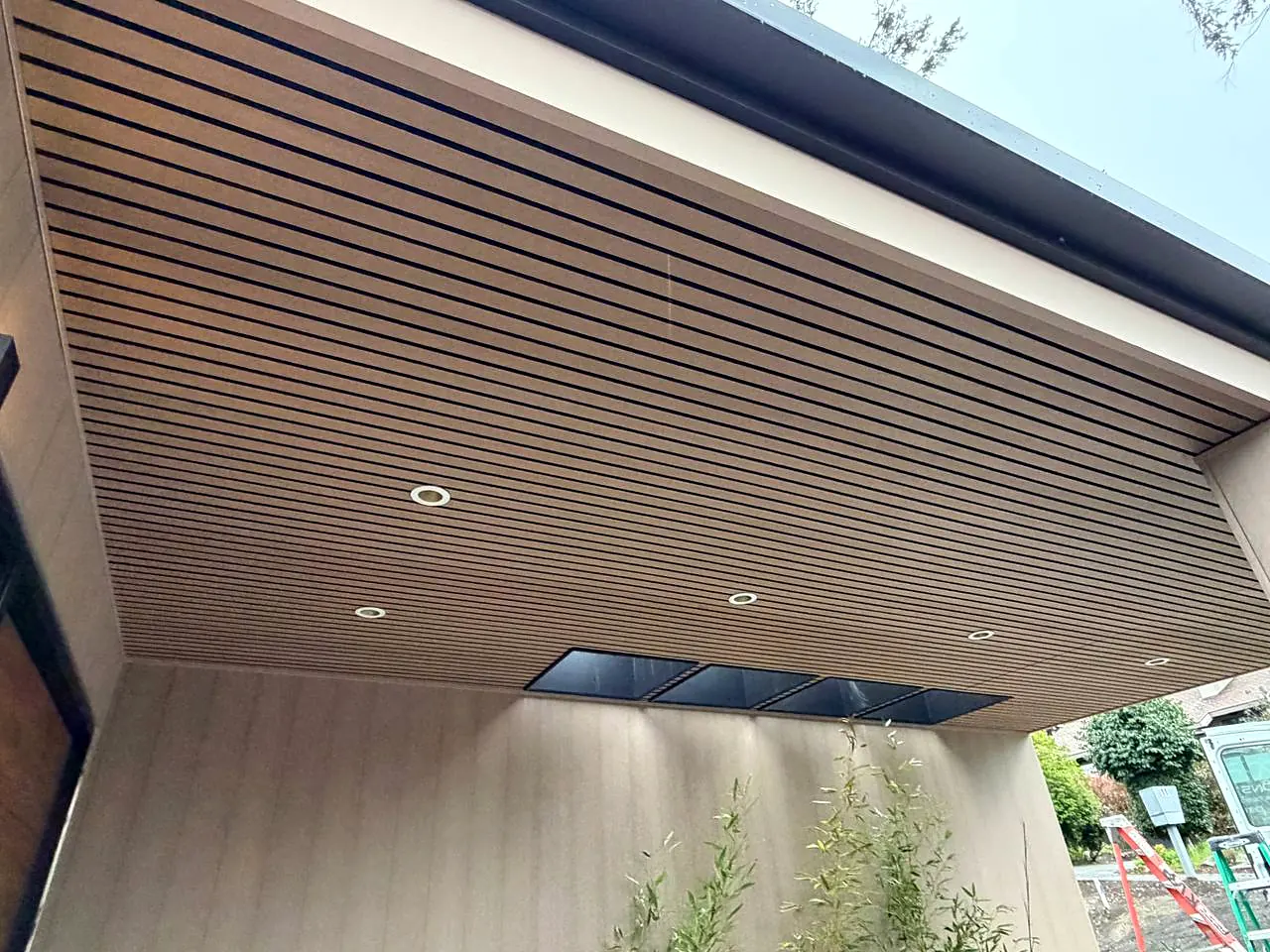
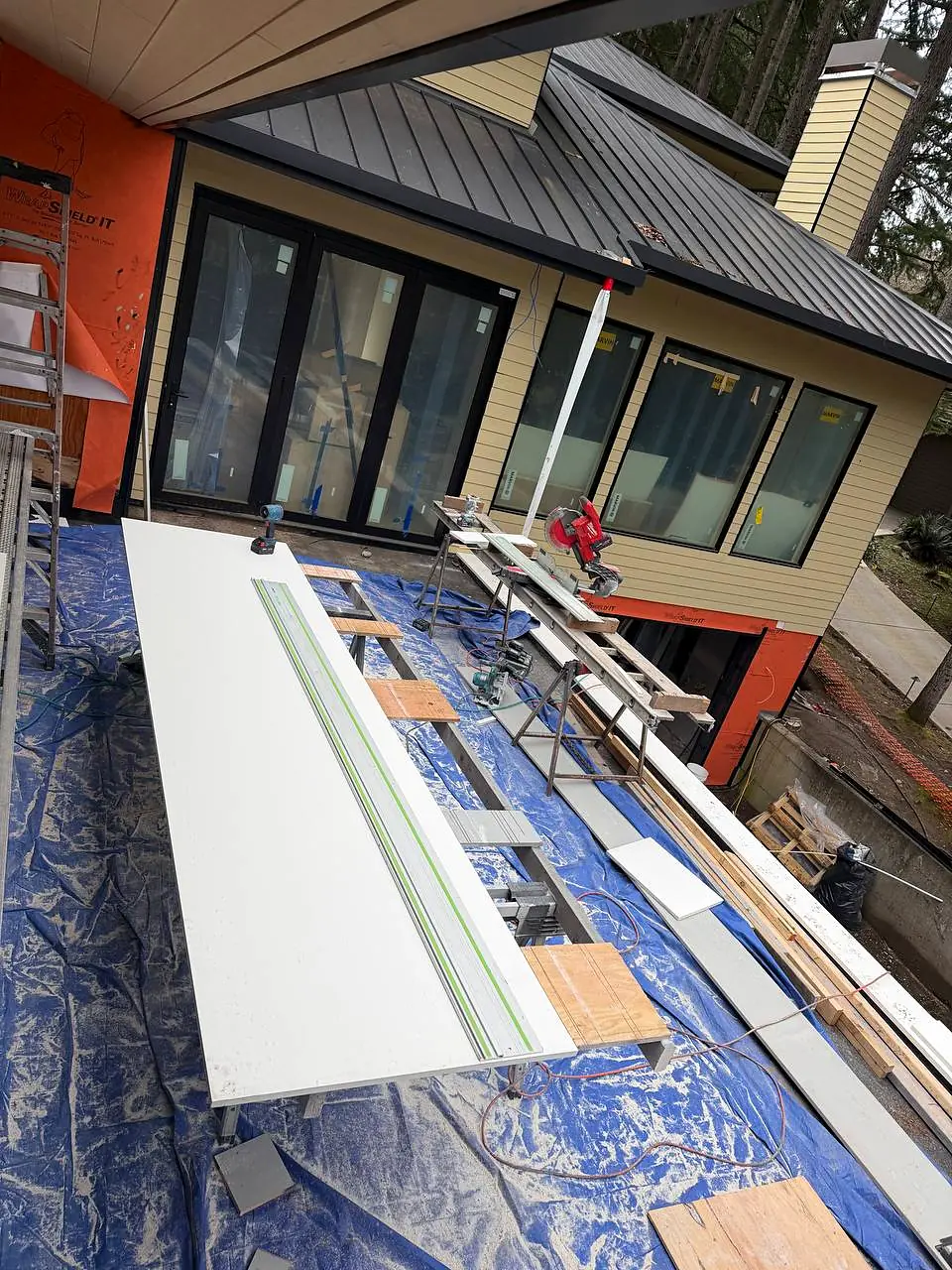
A slatted soffit on a modern house
Slatted soffits over the terrace and the entry, the lights set into the slats.
6 photos
Materials
Siding we install
Fiber cement is the most common choice in Seattle, and every material has its place. What each one is good at, and what to watch for.
-
Will not burn
Fiber cement
Boards of cement, sand and wood fiber, primed or painted at the factory. James Hardie is the best known.
Lasts
30 to 50 years
Good
- Does not burn, rot or feed insects
- Holds paint well; factory finishes carry their own warranty
- Lasts when put up to the maker’s rules
Watch for
- Heavy, so it takes more labor to install
- Repainted every 10 to 15 years
- Cut with dust control; ends and joints need care
-
Lowest cost
Vinyl
PVC panels that lock together and hang loose on the wall, so they can move with the heat.
Lasts
20 to 40 years
Good
- The lowest price to buy and to put up
- Never needs paint
- Light and quick to install
Watch for
- Can crack in hard frost, or warp near a grill or a reflecting window
- The color is fixed and fades slowly
- Reads less like wood up close
-
Wood look, lighter
Engineered wood
Wood strands bonded with resin and wax, primed or prefinished. LP SmartSide is the best known.
Lasts
25 to 35 years
Good
- Looks like wood and costs less than cedar
- Long, light boards with fewer seams
- Takes knocks and hail well
Watch for
- A cut edge left bare can take water and swell
- Needs its gap above the ground and the roofs
- Repainted every 10 to 15 years
-
Natural wood
Cedar
Real western red cedar: bevel boards, shingles, or board and batten.
Lasts
20 to 40 years, with care
Good
- The warmest, most natural look
- Resists rot and insects by nature
- Easy to mend one board at a time
Watch for
- The most upkeep: stain or paint every 3 to 7 years
- Costs more, and its price moves with the lumber market
- It burns: check the rules near wildland
-
Modern lines
Metal
Steel or aluminum panels and lap boards, painted at the factory.
Lasts
40 years and more
Good
- Does not rot, burn or draw pests
- Very little upkeep
- Clean, modern lines, good for accents
Watch for
- Can dent, aluminum more than steel
- Steel can rust where the coating is scratched
- Costs more than vinyl
-
Accent
Stone veneer
Natural or manufactured stone on a base, a chimney or an entry wall.
Lasts
50 years and more
Good
- Lasts as long as the house
- A rich texture where the eye lands first
- No paint, ever
Watch for
- The most expensive per square foot
- Needs a drainage layer behind it, or water is trapped
- Heavy: usually part of a wall, not all of it
Under the boards
What is under your siding matters
Most siding trouble starts behind the boards: water past old wrap, flashing missing over a window, dry rot in the sheathing. When the old siding comes off, the wall is looked over and put right before anything new goes up.
- A weather barrier lapped so water runs down and out
- Flashing over windows and doors and at every roof line
- A rainscreen gap where the material calls for one
- Rot found underneath shown to you and priced before it is fixed
How it works
How a siding job runs
-
01
Visit and measure
We look at the walls, the trim and what is under the old siding, and measure the house.
-
02
Written quote
The material and color, what comes off, what goes on, and the price, in writing.
-
03
Protect the site
Plants, windows and the yard are covered before the first board comes off.
-
04
Tear-off and repairs
Old siding comes off a wall at a time; wet or rotten sheathing is replaced.
-
05
Wrap, flash, install
The weather barrier, the flashing and the trim, then the siding to the maker’s rules.
-
06
Clean-up and walk-through
Nails and waste cleared away, and we walk around the finished house with you.
Price
What the price depends on
Every job is quoted in writing after a visit. A typical range for this area: [PRICE RANGE PER SQUARE FOOT, INSTALLED].
-
The size of the walls
Siding is priced by the square: 100 square feet of wall. Gables, dormers and many corners add time.
-
The material
Vinyl costs least; fiber cement and engineered wood sit in the middle; cedar, metal and stone cost the most.
-
What comes off
Taking off and hauling away the old siding, and how many layers there are.
-
What is found underneath
Rotten sheathing or framing is priced on its own, and only after you have seen it.
-
Trim and details
Corner boards, window and door trim, soffits and fascia, and how much of it is replaced.
-
Height and access
Tall walls, steep ground and tight lot lines can need scaffolding or a lift.
After the job
Warranty and care
[WORKMANSHIP WARRANTY: HOW MANY YEARS, AND WHAT IT COVERS]. Siding makers add their own warranty on the material when it is put up to their rules.
- Rinse the walls once a year with a hose and a soft brush, no pressure washer up close
- Keep shrubs a foot off the wall and the gutters clear
- Look over the caulk at windows and corners every spring
- Repaint fiber cement and engineered wood every 10 to 15 years, stain cedar every 3 to 7
Our work
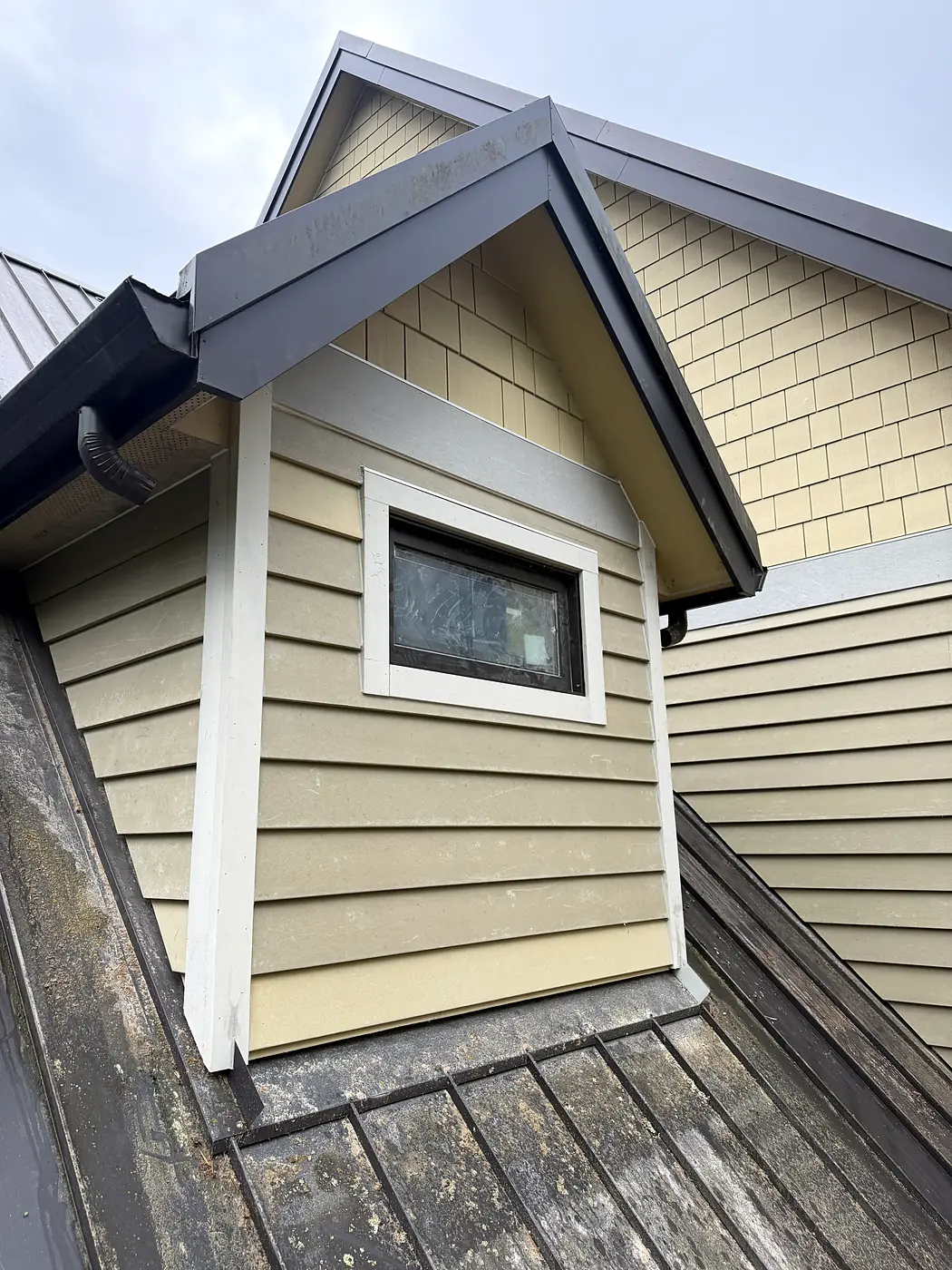
Siding jobs
Photos of finished siding.
FAQ
Siding questions
Still have a question?
Send it with the quote form, or call. We answer every request ourselves.
What happens if you find rot?
We show it to you and price the repair before it is fixed. Nothing is covered over.
What siding is best for a Seattle house?
Fiber cement is the usual choice here: it does not rot and holds paint well. Cedar suits older houses and needs more upkeep. Whatever the material, the wrap, the flashing and a rainscreen gap where it calls for one matter as much as the boards.
Can new siding go over the old?
Sometimes, over one flat layer. We usually take the old siding off: it is the only way to see and fix what is under it, and most makers’ warranties expect it.
How long does a siding job take?
One to three weeks of work for most houses, longer with many repairs or a lot of trim. Some materials take a few weeks to arrive.
Do I need to be home?
No. We need water, an outlet and a way round every side of the house. We walk the finished job with you at the end.
Can you work in winter?
Yes. Each wall is wrapped before the end of the day, so the house is never left open.
Do I need a permit?
In Seattle, replacing siding with no change to the structure usually needs no permit. Structural repairs, steep slopes and other critical areas can. Other cities set their own rules: we check your address before the quote.
Are you licensed and insured?
Licensed in Washington: [LICENSE NO.]. Insurance: [WHAT IS CARRIED, AND THE BOND].
Ready for new siding?
Send the quote form with a few photos of the walls.